Design Style & Aesthetic
Kitch Editorial Team
How to Choose Kitchen Colors and Accents for Your Austin Home
How to Choose Kitchen Colors and Accents for Your Austin Home
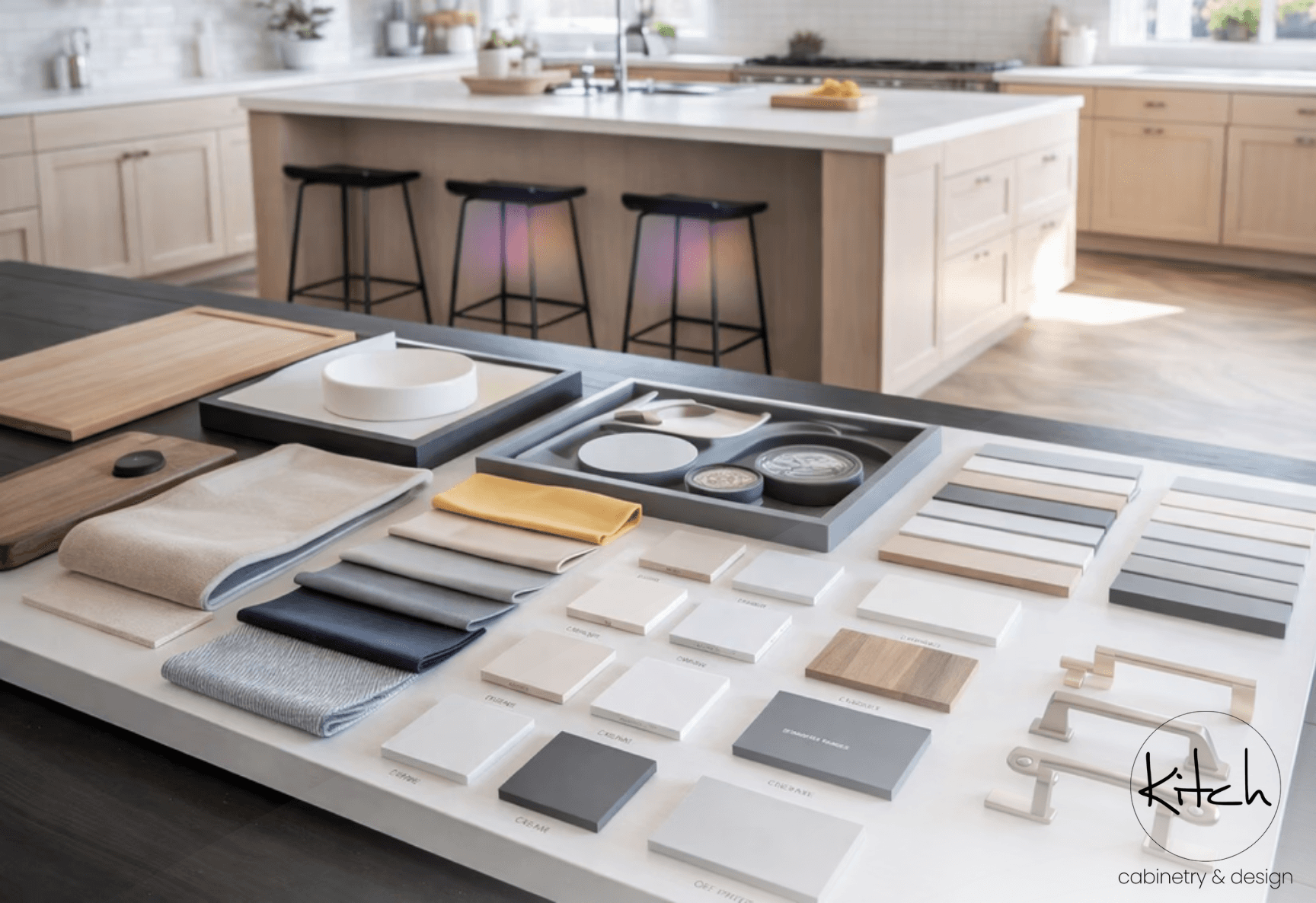
A beautiful kitchen rarely comes from choosing everything separately. The cabinet color, countertop, backsplash, hardware, lighting, stools, and decor all need to live in the same visual story. When they do, the kitchen feels calm and intentional. When they do not, even beautiful pieces can start to feel busy together. For many homeowners, the hardest part is not finding inspiration. It is knowing how to turn all those saved photos into a real kitchen design plan. That is where color balance helps.
A beautiful kitchen rarely comes from choosing everything separately. The cabinet color, countertop, backsplash, hardware, lighting, stools, and decor all need to live in the same visual story. When they do, the kitchen feels calm and intentional. When they do not, even beautiful pieces can start to feel busy together. For many homeowners, the hardest part is not finding inspiration. It is knowing how to turn all those saved photos into a real kitchen design plan. That is where color balance helps.
A beautiful kitchen rarely comes from choosing everything separately. The cabinet color, countertop, backsplash, hardware, lighting, stools, and decor all need to live in the same visual story. When they do, the kitchen feels calm and intentional. When they do not, even beautiful pieces can start to feel busy together. For many homeowners, the hardest part is not finding inspiration. It is knowing how to turn all those saved photos into a real kitchen design plan. That is where color balance helps.
Start With the Feeling You Want the Kitchen to Create
Start With the Feeling You Want the Kitchen to Create

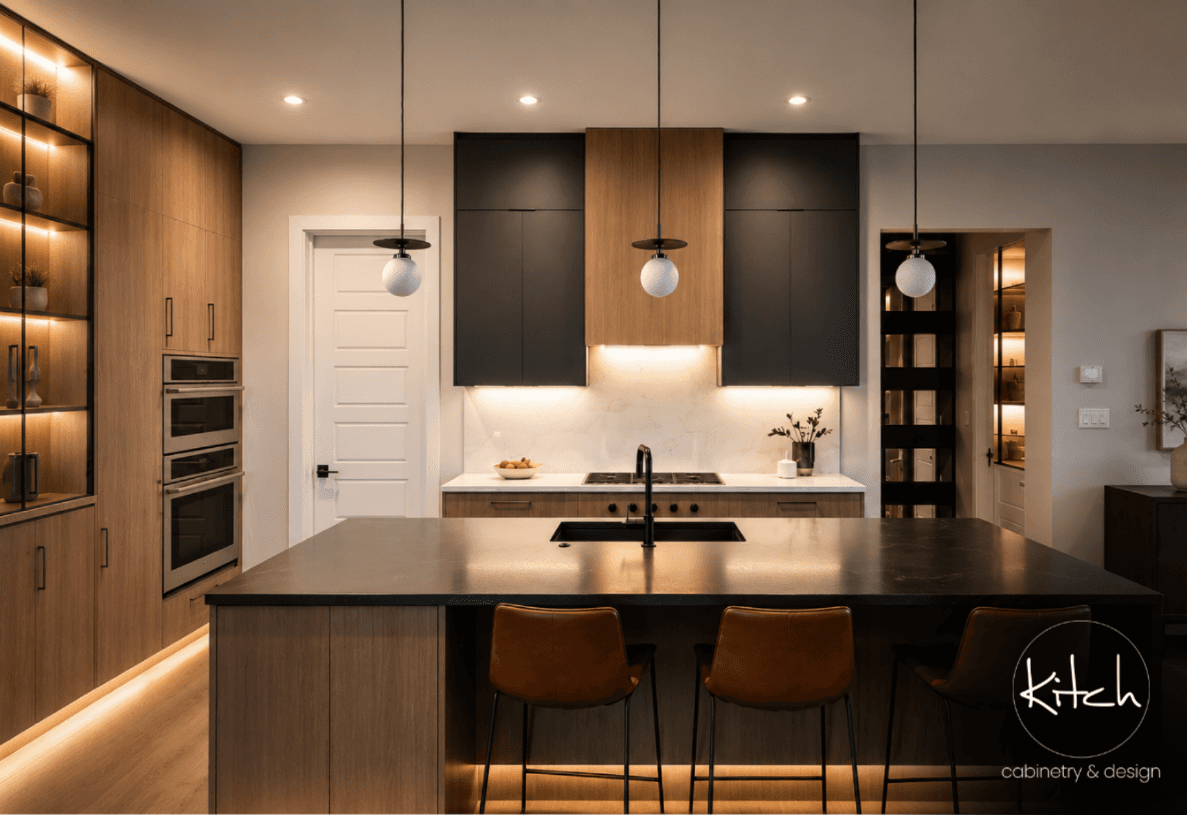
Before selecting cabinet finishes, countertops, lighting, or hardware, it helps to think about how you want the space to feel. Color should support the experience of the room, not just its appearance. -A warm kitchen may lean into natural wood tones, creamy whites, and brass accents. -A calm kitchen may use soft neutrals, subtle textures, and layered natural materials. -A modern kitchen may rely on cleaner contrasts, darker finishes, and simplified details. -A timeless kitchen often combines classic color with materials that feel comfortable rather than trendy. Design professionals frequently note that color works best when it supports mood first and aesthetics second. Publications like House Beautiful and Homes & Gardens often reference color balance as one of the easiest ways to create spaces that feel cohesive rather than overwhelming. This approach remains especially valuable in kitchens because they contain so many different surfaces and materials.
Before selecting cabinet finishes, countertops, lighting, or hardware, it helps to think about how you want the space to feel. Color should support the experience of the room, not just its appearance. -A warm kitchen may lean into natural wood tones, creamy whites, and brass accents. -A calm kitchen may use soft neutrals, subtle textures, and layered natural materials. -A modern kitchen may rely on cleaner contrasts, darker finishes, and simplified details. -A timeless kitchen often combines classic color with materials that feel comfortable rather than trendy. Design professionals frequently note that color works best when it supports mood first and aesthetics second. Publications like House Beautiful and Homes & Gardens often reference color balance as one of the easiest ways to create spaces that feel cohesive rather than overwhelming. This approach remains especially valuable in kitchens because they contain so many different surfaces and materials.
Before selecting cabinet finishes, countertops, lighting, or hardware, it helps to think about how you want the space to feel. Color should support the experience of the room, not just its appearance. -A warm kitchen may lean into natural wood tones, creamy whites, and brass accents. -A calm kitchen may use soft neutrals, subtle textures, and layered natural materials. -A modern kitchen may rely on cleaner contrasts, darker finishes, and simplified details. -A timeless kitchen often combines classic color with materials that feel comfortable rather than trendy. Design professionals frequently note that color works best when it supports mood first and aesthetics second. Publications like House Beautiful and Homes & Gardens often reference color balance as one of the easiest ways to create spaces that feel cohesive rather than overwhelming. This approach remains especially valuable in kitchens because they contain so many different surfaces and materials.
Understand Dominant, Secondary, and Accent Colors
Understand Dominant, Secondary, and Accent Colors


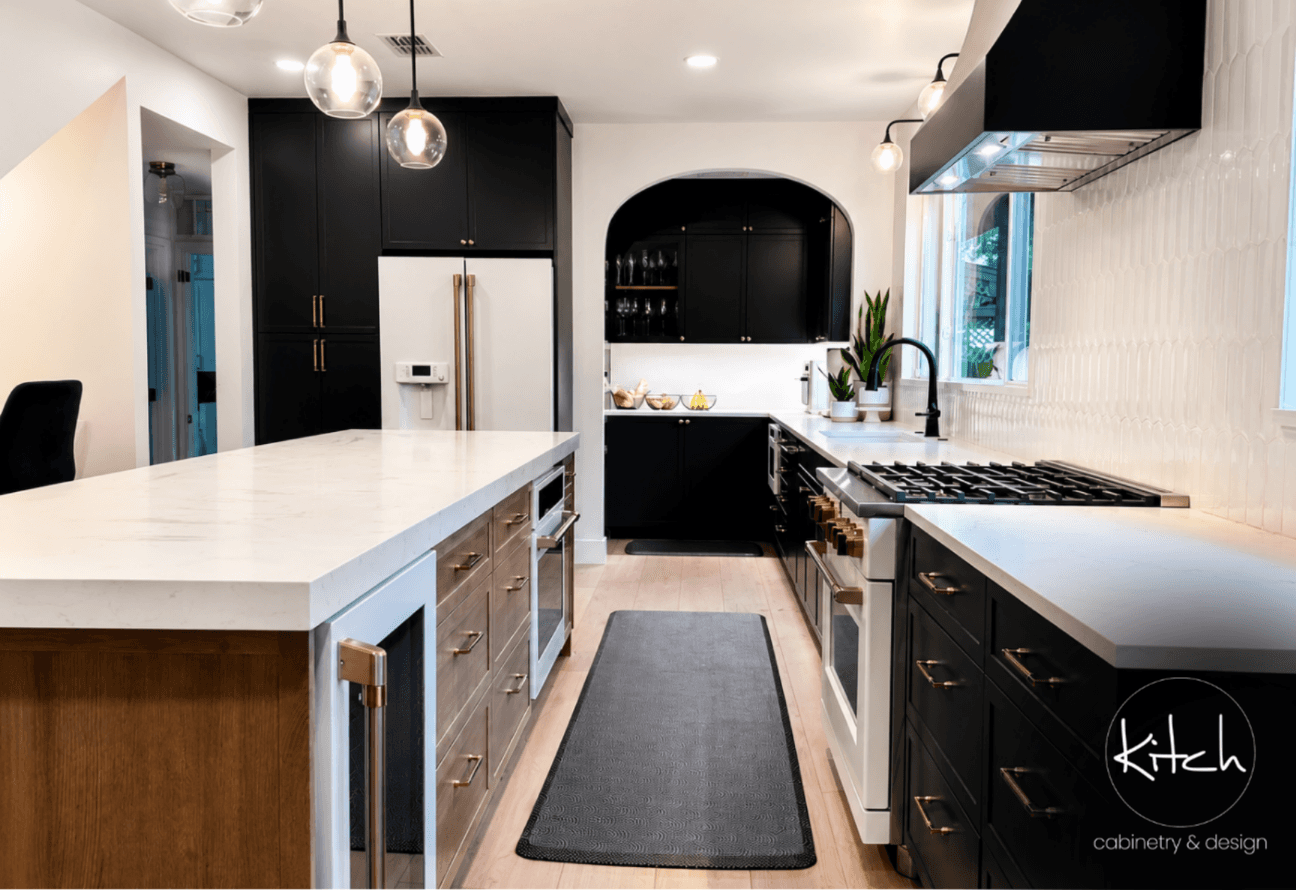
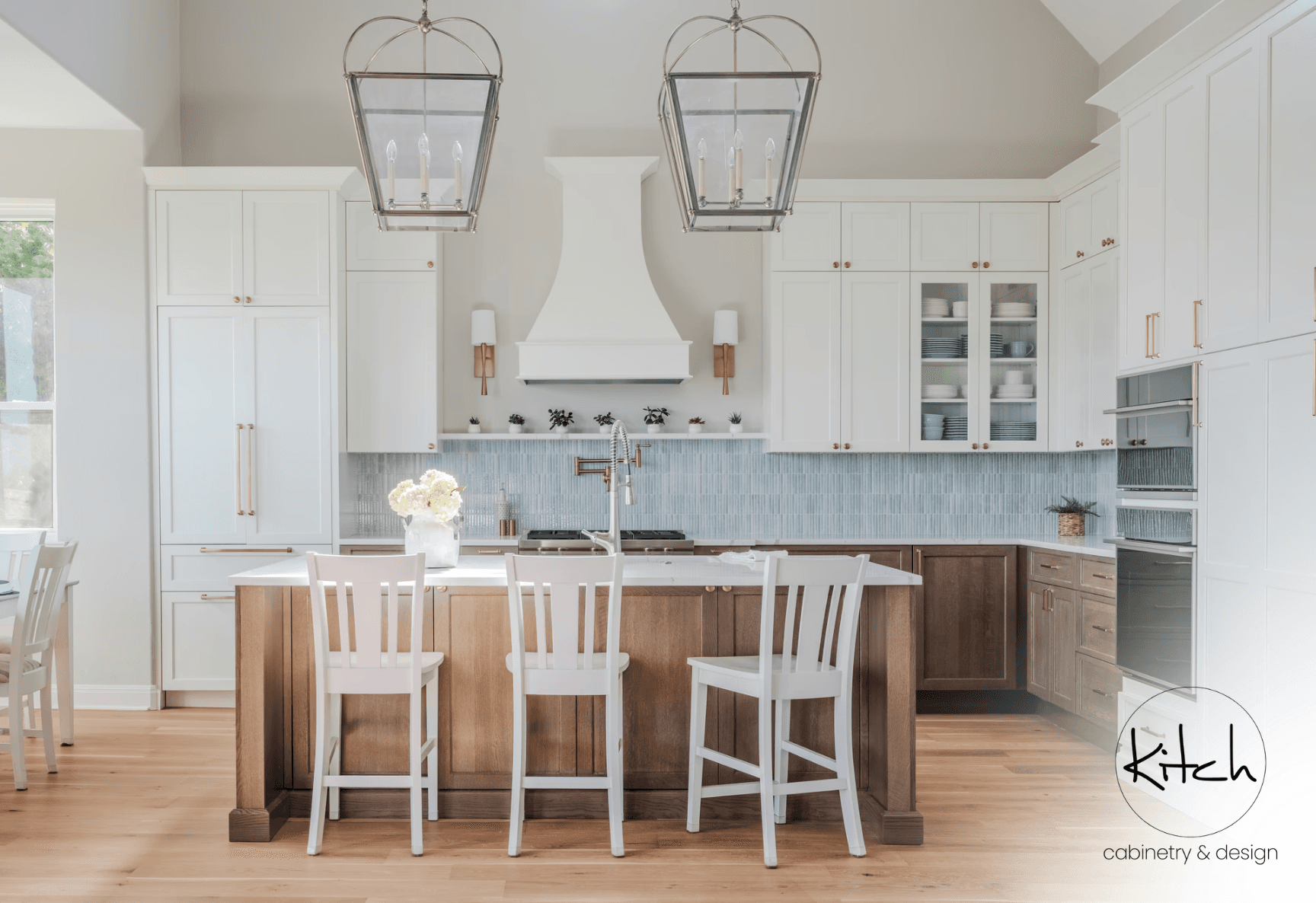
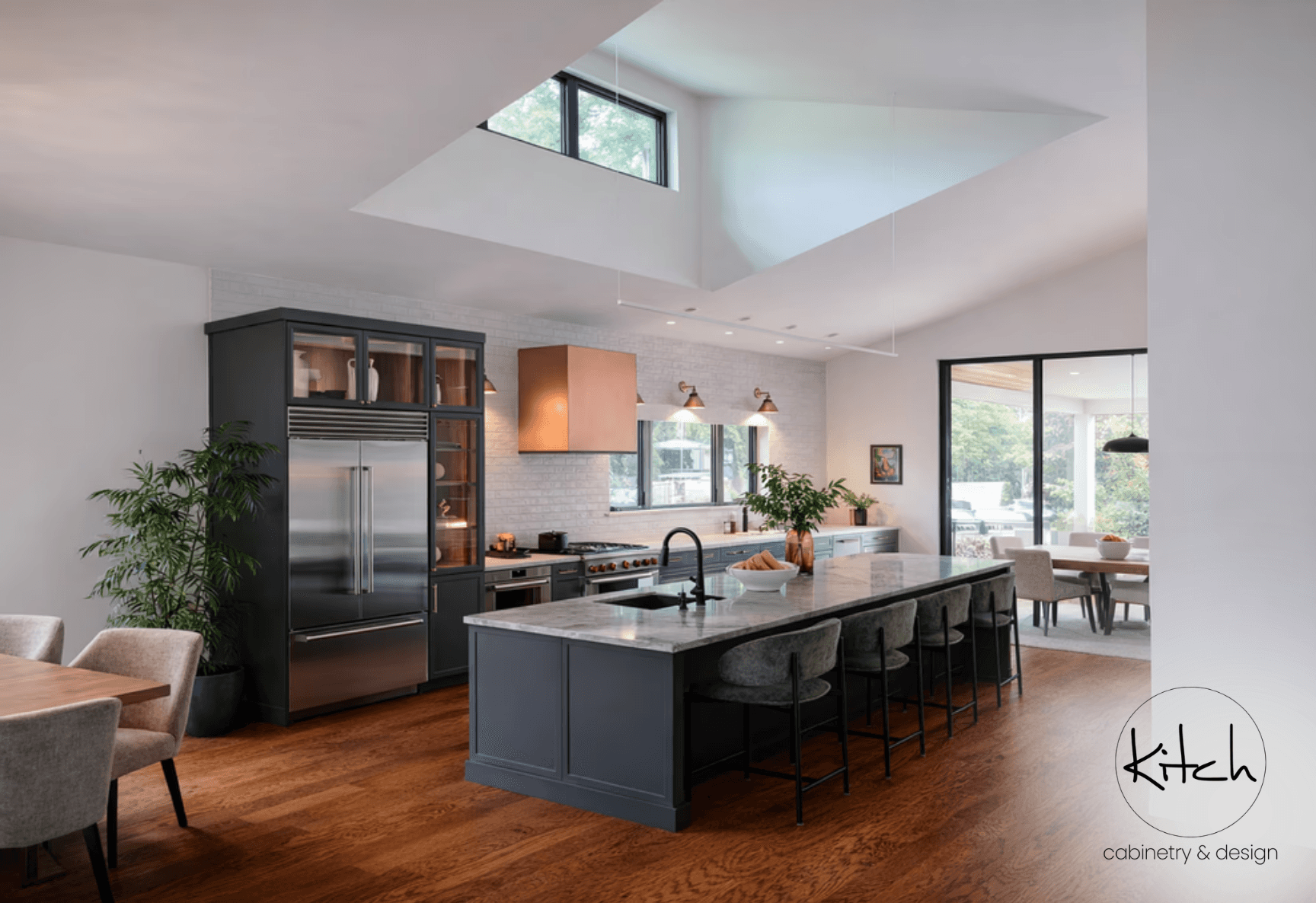
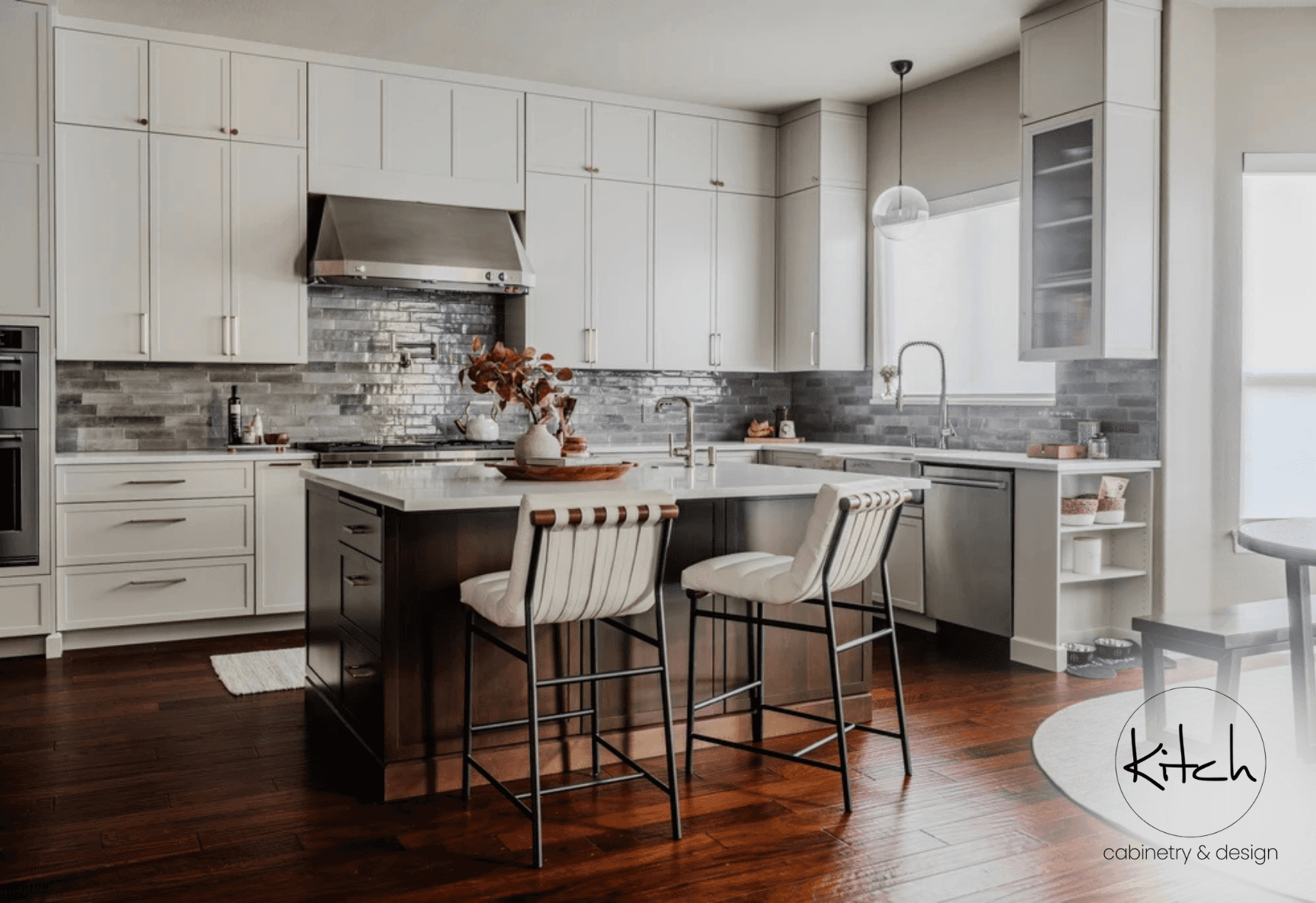
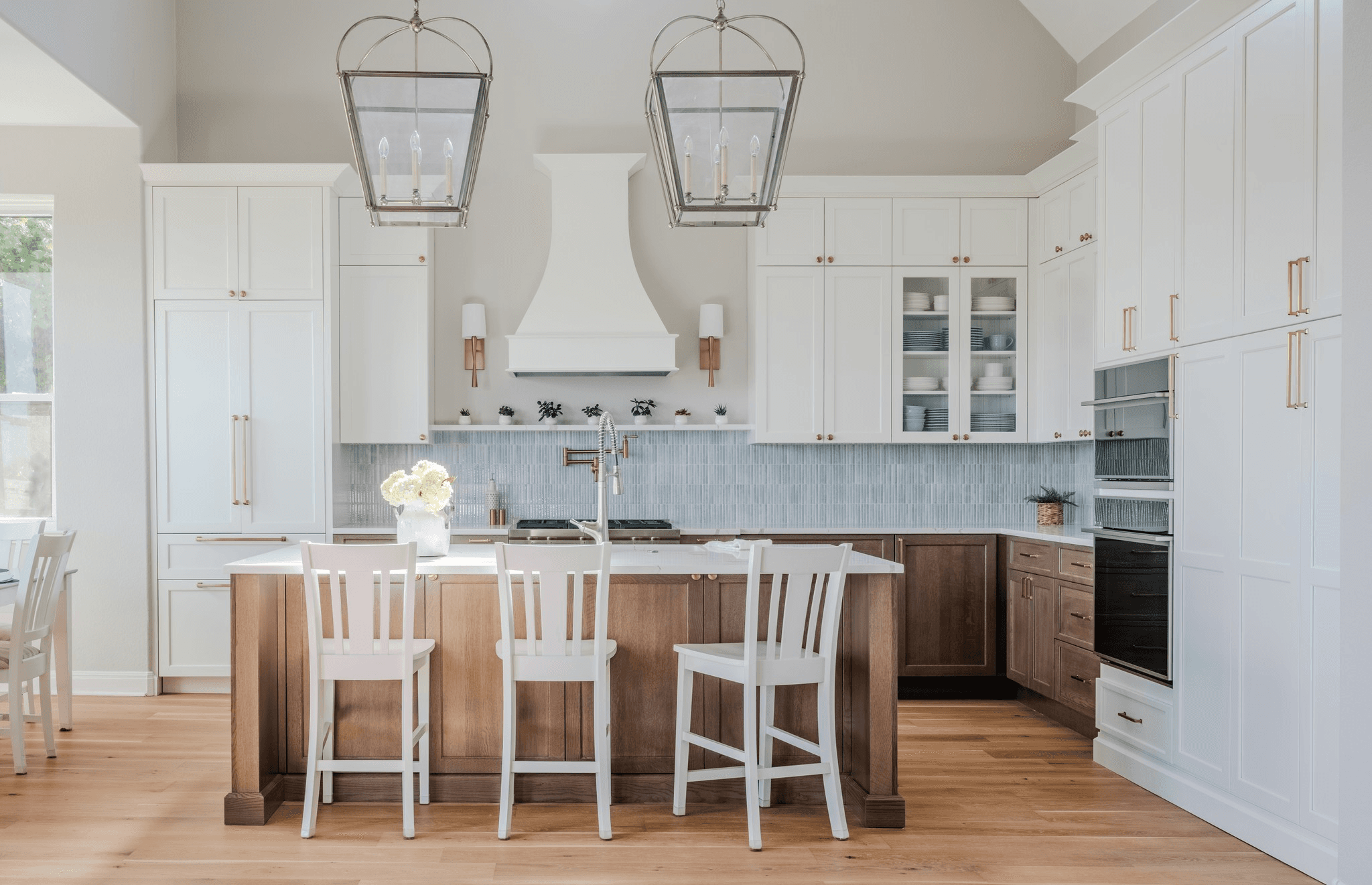
A balanced kitchen usually has three color roles. The dominant color is the largest visual surface, often the cabinetry, walls, or full-height pantry area. The secondary color supports it through countertops, backsplash, flooring, or an island. The accent color appears in smaller details such as hardware, pendant lights, stools, shelving decor, or styling pieces. Homes & Gardens describes this kind of layered color planning through the familiar 60-30-10 design idea, where one color leads, one supports, and one adds emphasis. In a kitchen, the numbers do not need to be exact. What matters is that every color has a clear purpose.
A balanced kitchen usually has three color roles. The dominant color is the largest visual surface, often the cabinetry, walls, or full-height pantry area. The secondary color supports it through countertops, backsplash, flooring, or an island. The accent color appears in smaller details such as hardware, pendant lights, stools, shelving decor, or styling pieces. Homes & Gardens describes this kind of layered color planning through the familiar 60-30-10 design idea, where one color leads, one supports, and one adds emphasis. In a kitchen, the numbers do not need to be exact. What matters is that every color has a clear purpose.
A balanced kitchen usually has three color roles. The dominant color is the largest visual surface, often the cabinetry, walls, or full-height pantry area. The secondary color supports it through countertops, backsplash, flooring, or an island. The accent color appears in smaller details such as hardware, pendant lights, stools, shelving decor, or styling pieces. Homes & Gardens describes this kind of layered color planning through the familiar 60-30-10 design idea, where one color leads, one supports, and one adds emphasis. In a kitchen, the numbers do not need to be exact. What matters is that every color has a clear purpose.
Use Accents to Tie the Kitchen Together
Use Accents to Tie the Kitchen Together
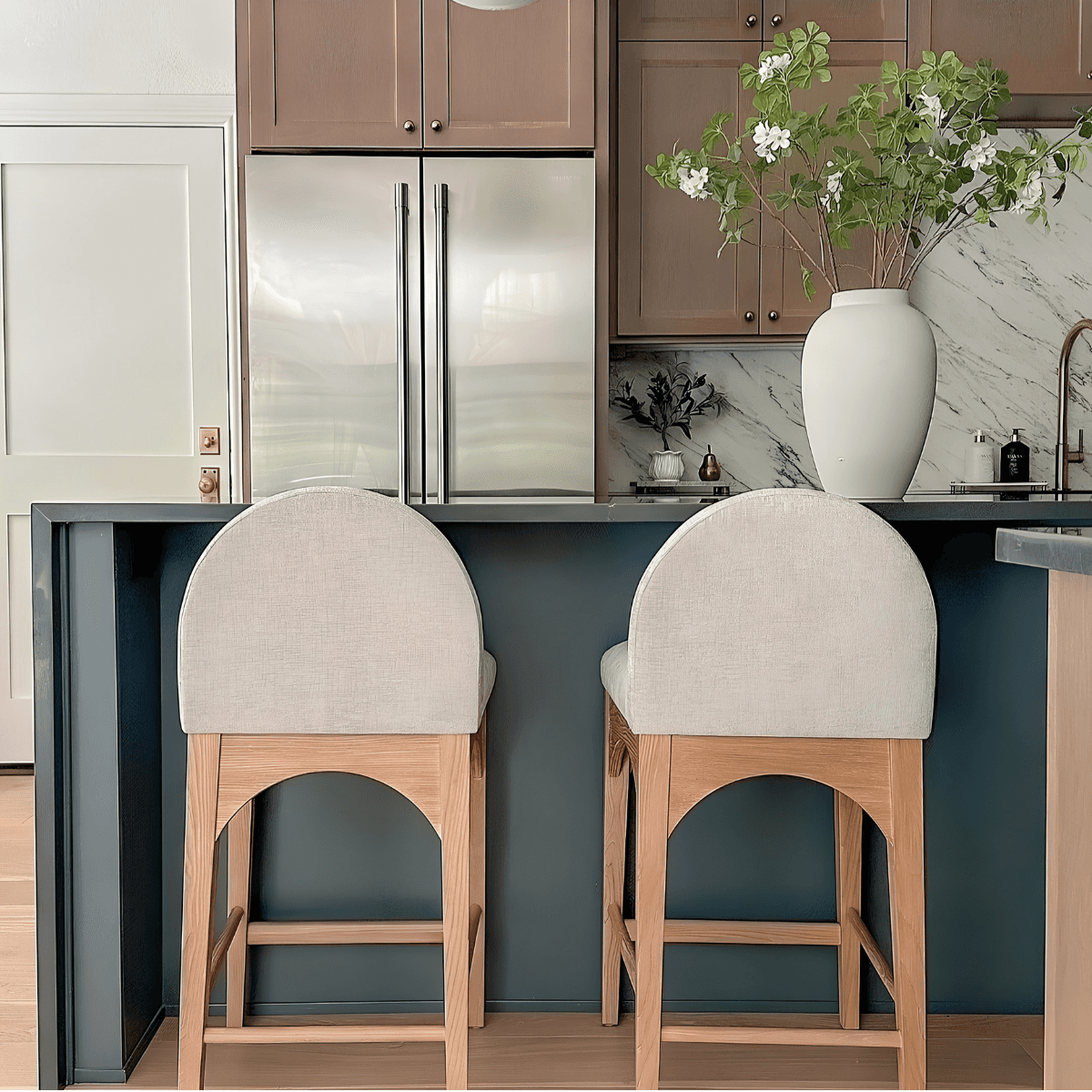
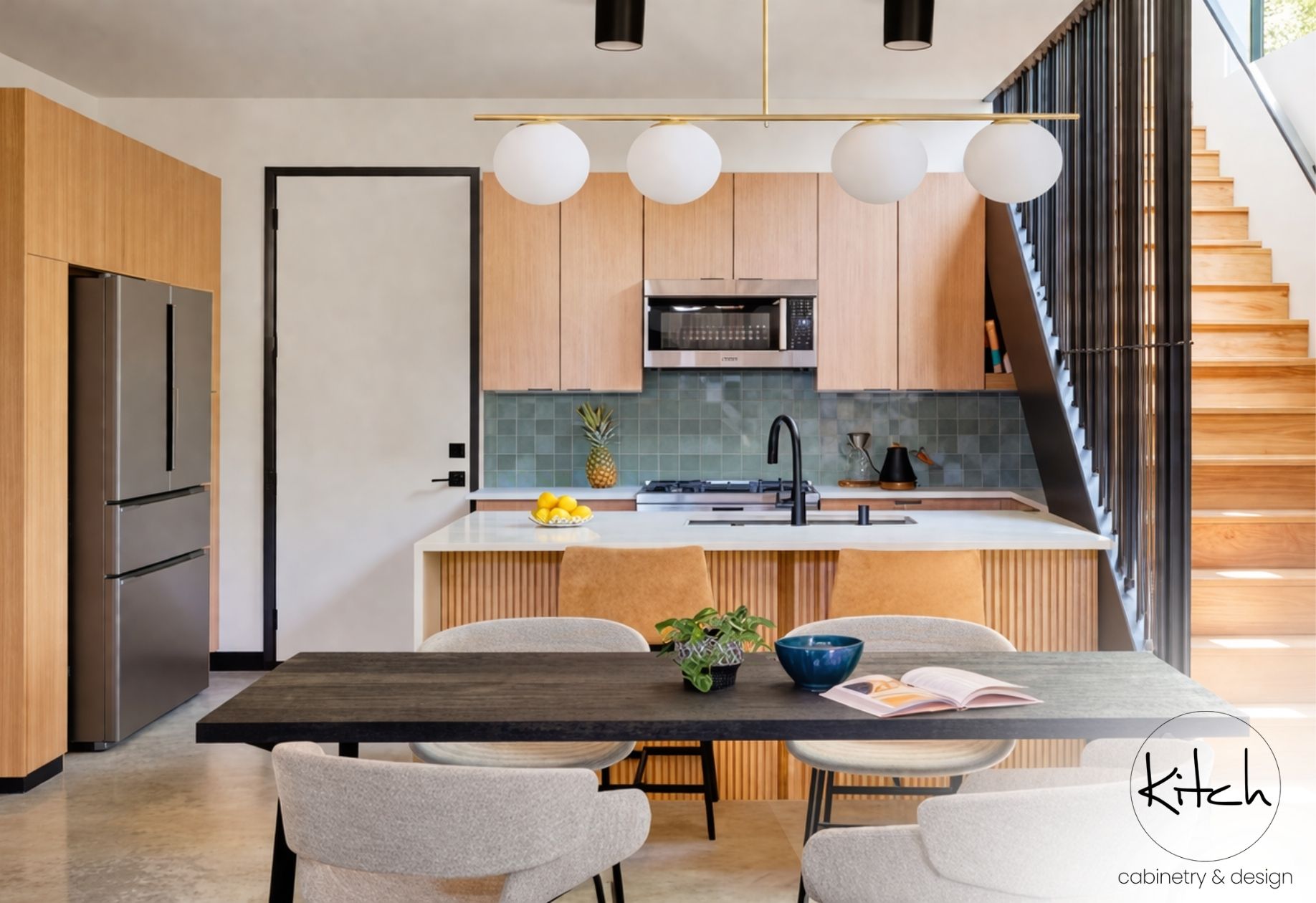
Accents are not just extra decor added at the end. They help connect the kitchen when they are used with restraint. Brass hardware can bring warmth to wood tones. Black handles can define light cabinetry. Pendant lights can act as both function and visual contrast. A textured vase, a wooden cutting board, or a small ceramic piece can soften a room filled with stone, tile, and cabinetry. The key is repetition, not quantity. When one accent tone appears in a few thoughtful places, the kitchen feels styled. When too many accent colours compete, the kitchen starts to feel cluttered.
Accents are not just extra decor added at the end. They help connect the kitchen when they are used with restraint. Brass hardware can bring warmth to wood tones. Black handles can define light cabinetry. Pendant lights can act as both function and visual contrast. A textured vase, a wooden cutting board, or a small ceramic piece can soften a room filled with stone, tile, and cabinetry. The key is repetition, not quantity. When one accent tone appears in a few thoughtful places, the kitchen feels styled. When too many accent colours compete, the kitchen starts to feel cluttered.
Accents are not just extra decor added at the end. They help connect the kitchen when they are used with restraint. Brass hardware can bring warmth to wood tones. Black handles can define light cabinetry. Pendant lights can act as both function and visual contrast. A textured vase, a wooden cutting board, or a small ceramic piece can soften a room filled with stone, tile, and cabinetry. The key is repetition, not quantity. When one accent tone appears in a few thoughtful places, the kitchen feels styled. When too many accent colours compete, the kitchen starts to feel cluttered.
Plan One Decor Corner Instead of Styling Every Surface
Plan One Decor Corner Instead of Styling Every Surface

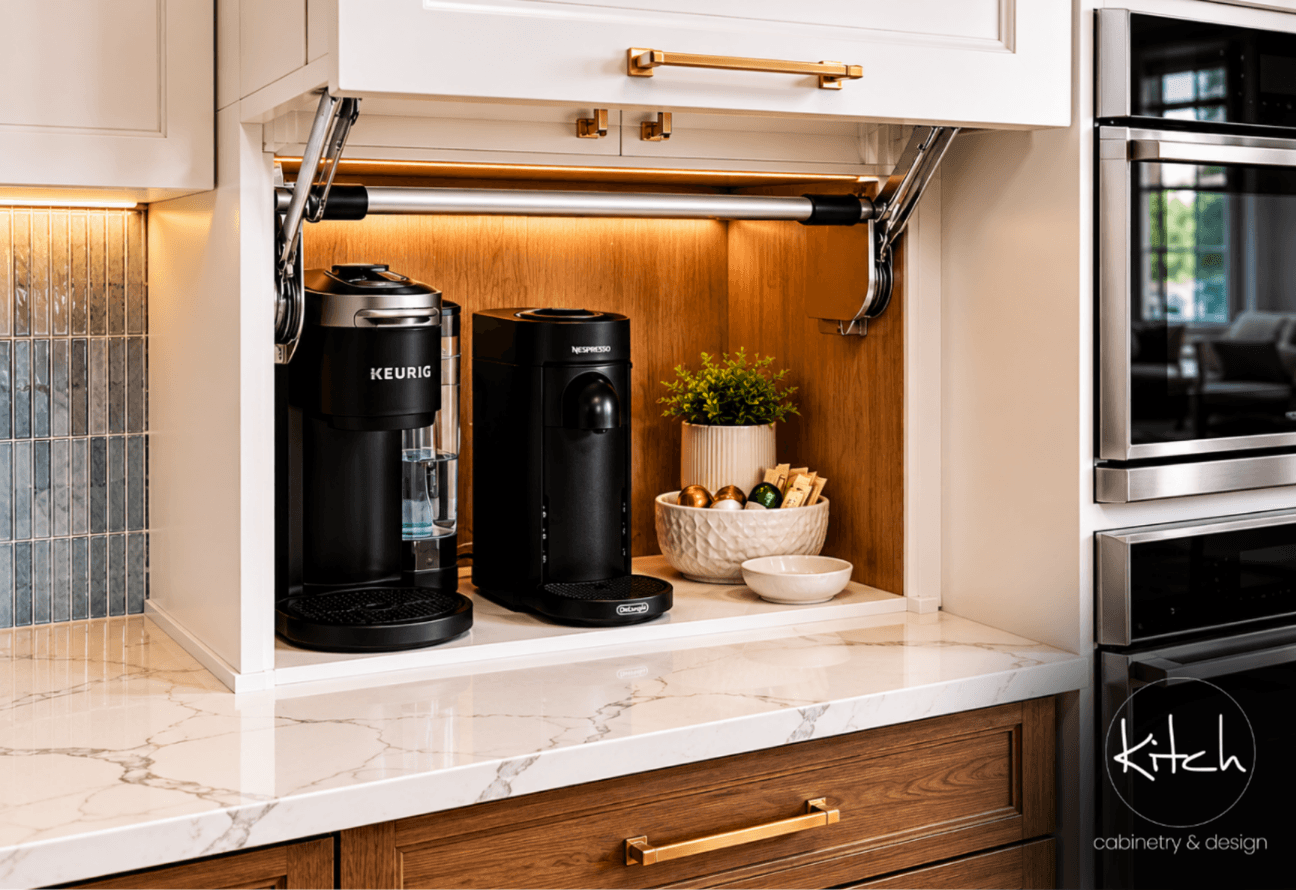
One of the easiest ways to keep a kitchen from feeling overwhelmed is to give decor a specific place to live. This could be a small countertop corner, a floating shelf, an open cabinet niche, or a coffee station. Instead of spreading accessories across every surface, choose one area for styling and let the rest of the kitchen breathe. A small plant, a ceramic vessel, a stack of cookbooks, or a beautiful cutting board can create personality without visual noise. The Spruce often highlights the importance of avoiding over-accessorizing in functional rooms, and the same idea applies here: fewer pieces, chosen with intention, usually feel more elevated than many pieces competing for attention.
One of the easiest ways to keep a kitchen from feeling overwhelmed is to give decor a specific place to live. This could be a small countertop corner, a floating shelf, an open cabinet niche, or a coffee station. Instead of spreading accessories across every surface, choose one area for styling and let the rest of the kitchen breathe. A small plant, a ceramic vessel, a stack of cookbooks, or a beautiful cutting board can create personality without visual noise. The Spruce often highlights the importance of avoiding over-accessorizing in functional rooms, and the same idea applies here: fewer pieces, chosen with intention, usually feel more elevated than many pieces competing for attention.
One of the easiest ways to keep a kitchen from feeling overwhelmed is to give decor a specific place to live. This could be a small countertop corner, a floating shelf, an open cabinet niche, or a coffee station. Instead of spreading accessories across every surface, choose one area for styling and let the rest of the kitchen breathe. A small plant, a ceramic vessel, a stack of cookbooks, or a beautiful cutting board can create personality without visual noise. The Spruce often highlights the importance of avoiding over-accessorizing in functional rooms, and the same idea applies here: fewer pieces, chosen with intention, usually feel more elevated than many pieces competing for attention.
Plan a Kitchen That Feels Intentional
Plan a Kitchen That Feels Intentional
Choosing colors, finishes, cabinetry, lighting, and decor is much easier when every decision belongs to one clear design direction. At Kitch Cabinetry & Design, we help homeowners plan kitchens that feel balanced from the beginning, with cabinetry, materials, accents, and layout details working together instead of competing. The result is a kitchen that feels beautiful, functional, and thoughtfully personal.
Choosing colors, finishes, cabinetry, lighting, and decor is much easier when every decision belongs to one clear design direction. At Kitch Cabinetry & Design, we help homeowners plan kitchens that feel balanced from the beginning, with cabinetry, materials, accents, and layout details working together instead of competing. The result is a kitchen that feels beautiful, functional, and thoughtfully personal.
Choosing colors, finishes, cabinetry, lighting, and decor is much easier when every decision belongs to one clear design direction. At Kitch Cabinetry & Design, we help homeowners plan kitchens that feel balanced from the beginning, with cabinetry, materials, accents, and layout details working together instead of competing. The result is a kitchen that feels beautiful, functional, and thoughtfully personal.

Kitch is a husband and wife team who have worked together for 23 years. They thrive on pairing with interior designers, local builders and the general public to create exciting and inspiring spaces. With an intimate but amazing showroom, it is perfect for a personable design experience.
Kitch is a husband and wife team who have worked together for 23 years. They thrive on pairing with interior designers, local builders and the general public to create exciting and inspiring spaces. With an intimate but amazing showroom, it is perfect for a personable design experience.
Recent posts
Latest Project
Step Into Our Showroom
Step Into Our Showroom
Step Into Our Showroom
At Kitch Cabinetry, our showroom is a hands-on space to explore styles, materials, and finishes—showcasing the quality and care behind every project.
At Kitch Cabinetry, our showroom is a hands-on space to explore styles, materials, and finishes—showcasing the quality and care behind every project.


Stay Updated with Our Latest Insights
Stay Updated with Our Latest Insights
Stay Updated with Our Latest Insights

Sep 25, 2026
The most expensive kitchen remodeling mistakes are often the ones you do not notice until the kitchen is finished. Poor outlet placement, tight walkways, awkward appliance clearances, and the wrong storage can turn a beautiful kitchen into a daily frustration. Here are seven planning mistakes worth catching before they become costly to fix.

Aug 6, 2026
Open shelves can make a kitchen feel lighter, but living with them is not always as effortless as the finished photos suggest. Traditional upper cabinets solve the storage problem, yet a long wall of solid doors can sometimes make a kitchen feel heavier than it needs to.

Jul 20, 2026
These built-in ideas show how thoughtful cabinetry can turn overlooked corners into spaces that feel organized, personal, and connected to everyday life.
Jun 8, 2026
A kitchen that stands the test of time starts with the right cabinetry. Discover the design choices that can improve daily life today while helping your kitchen stay functional, beautiful, and relevant for years to come.