Design Style & Aesthetic
Kitch Editor
How to Match Kitchen Cabinets, Countertops, and Hardware
How to Match Kitchen Cabinets, Countertops, and Hardware
A kitchen rarely feels finished because of one beautiful choice alone.
It feels finished when the cabinets, countertops, and hardware work together in a way that feels calm and natural. Not overly matched. Not forced. Just cohesive enough that the room makes sense the moment you walk in.
That is often where the challenge begins. A cabinet finish may look beautiful on its own. A countertop slab may stand out in the showroom. A hardware finish may feel like the perfect accent. But when each decision is made separately, the final kitchen can feel disconnected. The goal is not to choose standout pieces in isolation.
The goal is to build a room where every material supports the next. That direction is reflected throughout your draft’s emphasis on cohesion, undertones, and an edited palette.
A kitchen rarely feels finished because of one beautiful choice alone.
It feels finished when the cabinets, countertops, and hardware work together in a way that feels calm and natural. Not overly matched. Not forced. Just cohesive enough that the room makes sense the moment you walk in.
That is often where the challenge begins. A cabinet finish may look beautiful on its own. A countertop slab may stand out in the showroom. A hardware finish may feel like the perfect accent. But when each decision is made separately, the final kitchen can feel disconnected. The goal is not to choose standout pieces in isolation.
The goal is to build a room where every material supports the next. That direction is reflected throughout your draft’s emphasis on cohesion, undertones, and an edited palette.
Why Matching These Elements Matters
Why Matching These Elements Matters
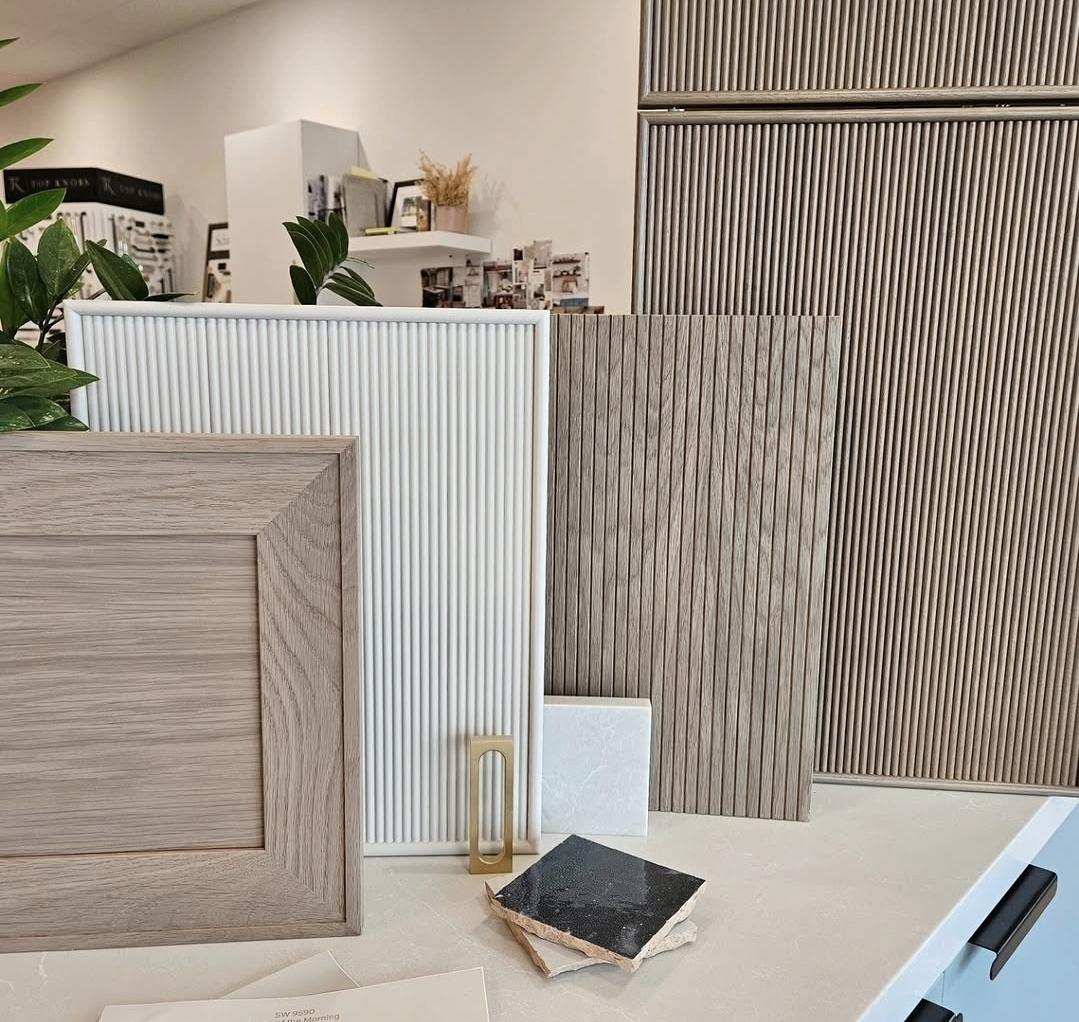
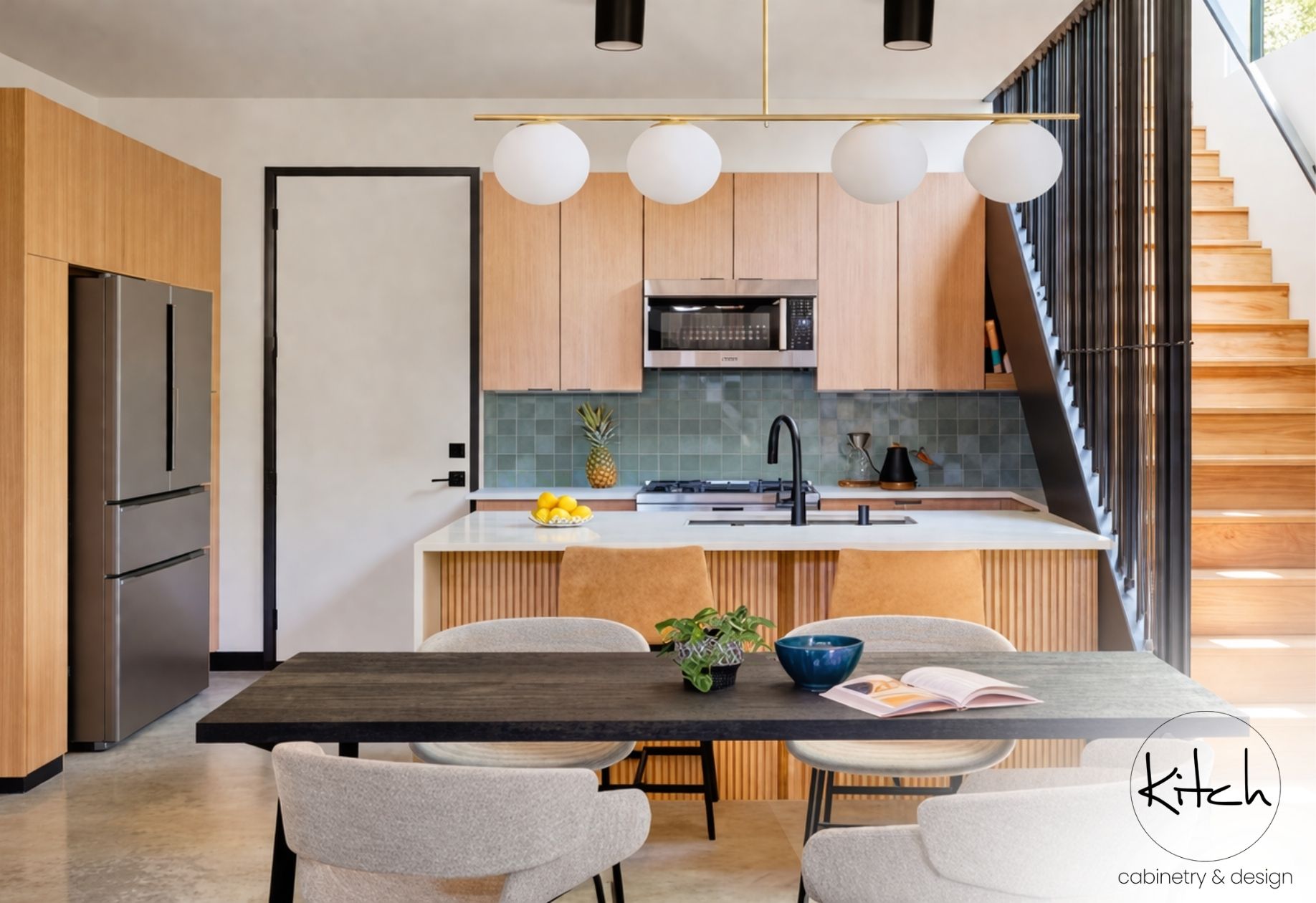
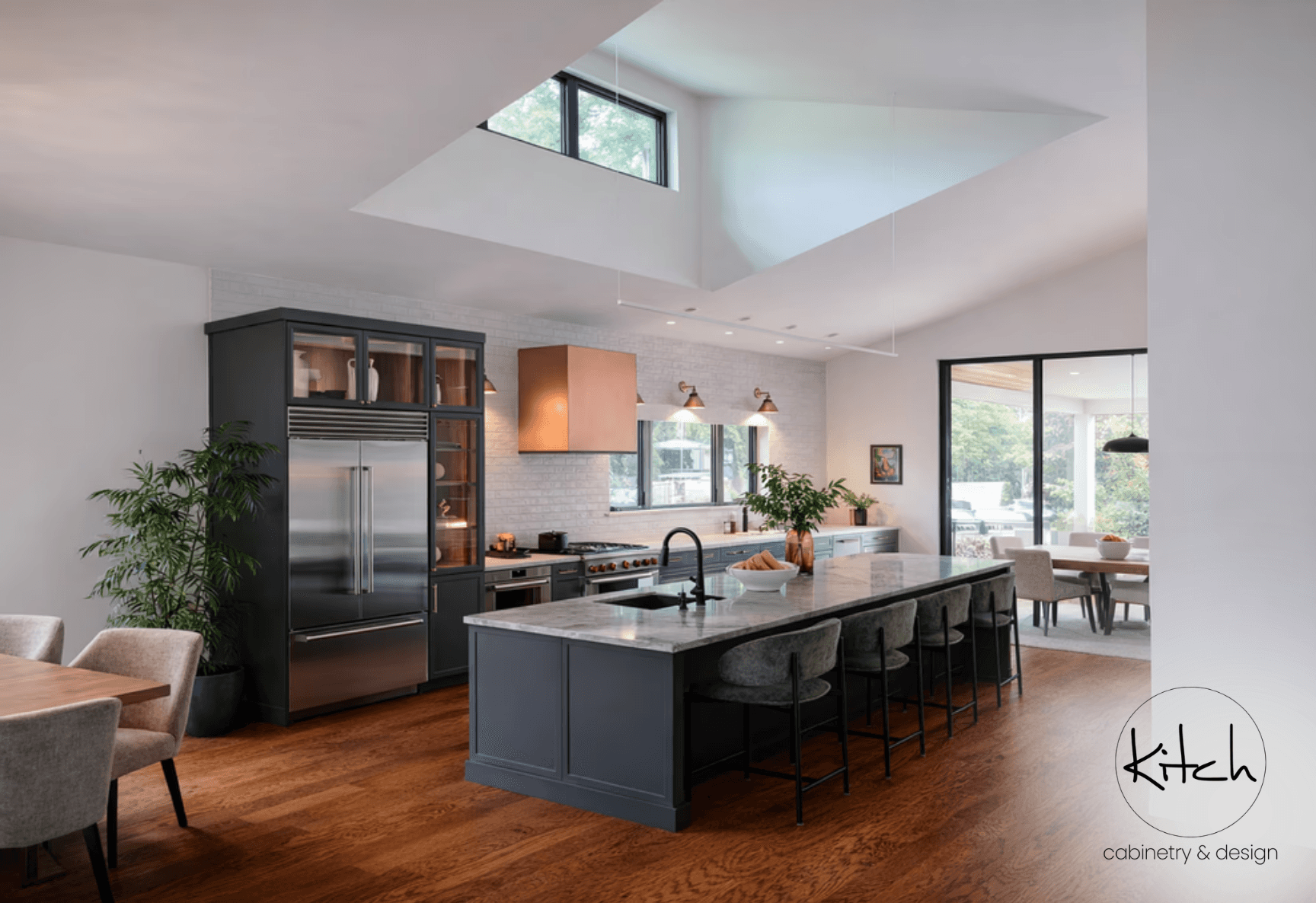
Cabinets and countertops take up most of the visual space in a kitchen. Hardware may be smaller, but it plays an outsized role in sharpening the final tone of the room.
That is why these three elements need to be considered as a group. When they relate well to each other, the kitchen feels settled and complete. When they do not, even a high-end remodel can feel slightly off.
The good news is that matching them well does not mean making everything identical. A well-designed kitchen usually has one clear direction, then lets each finish support that direction in a way that feels intentional. That is what gives a kitchen a polished look that still feels livable and timeless.
Cabinets and countertops take up most of the visual space in a kitchen. Hardware may be smaller, but it plays an outsized role in sharpening the final tone of the room.
That is why these three elements need to be considered as a group. When they relate well to each other, the kitchen feels settled and complete. When they do not, even a high-end remodel can feel slightly off.
The good news is that matching them well does not mean making everything identical. A well-designed kitchen usually has one clear direction, then lets each finish support that direction in a way that feels intentional. That is what gives a kitchen a polished look that still feels livable and timeless.
Start With the Element That Feels Most Fixed
Start With the Element That Feels Most Fixed
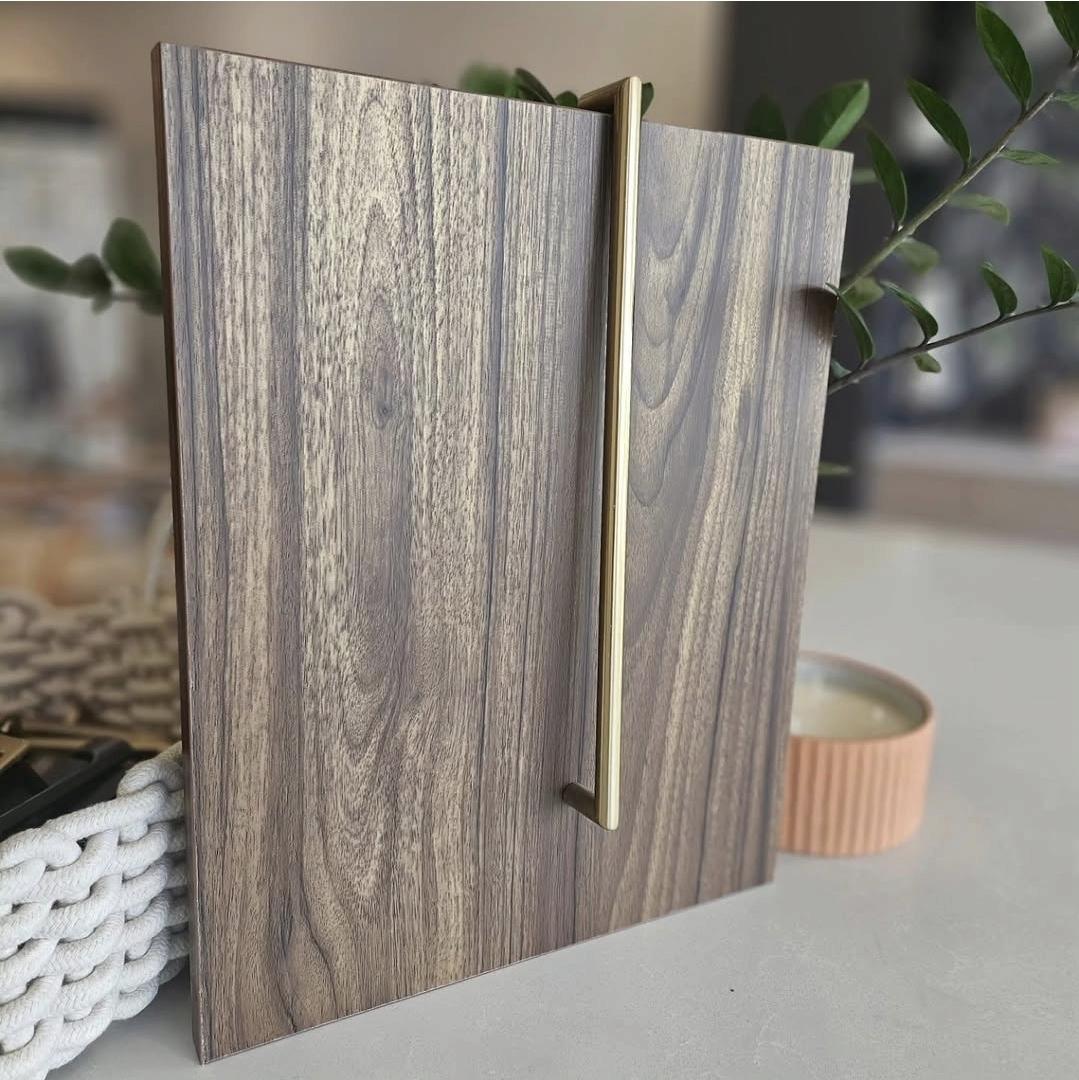
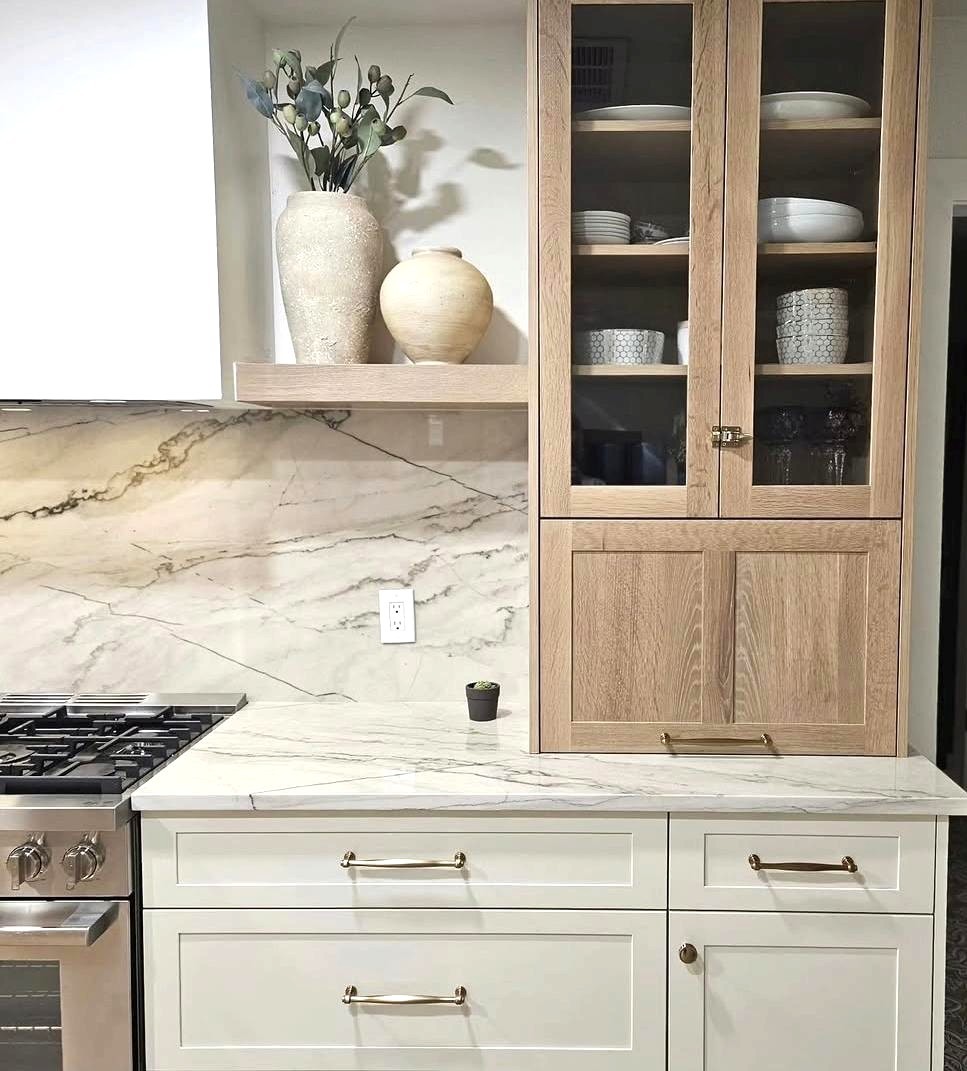
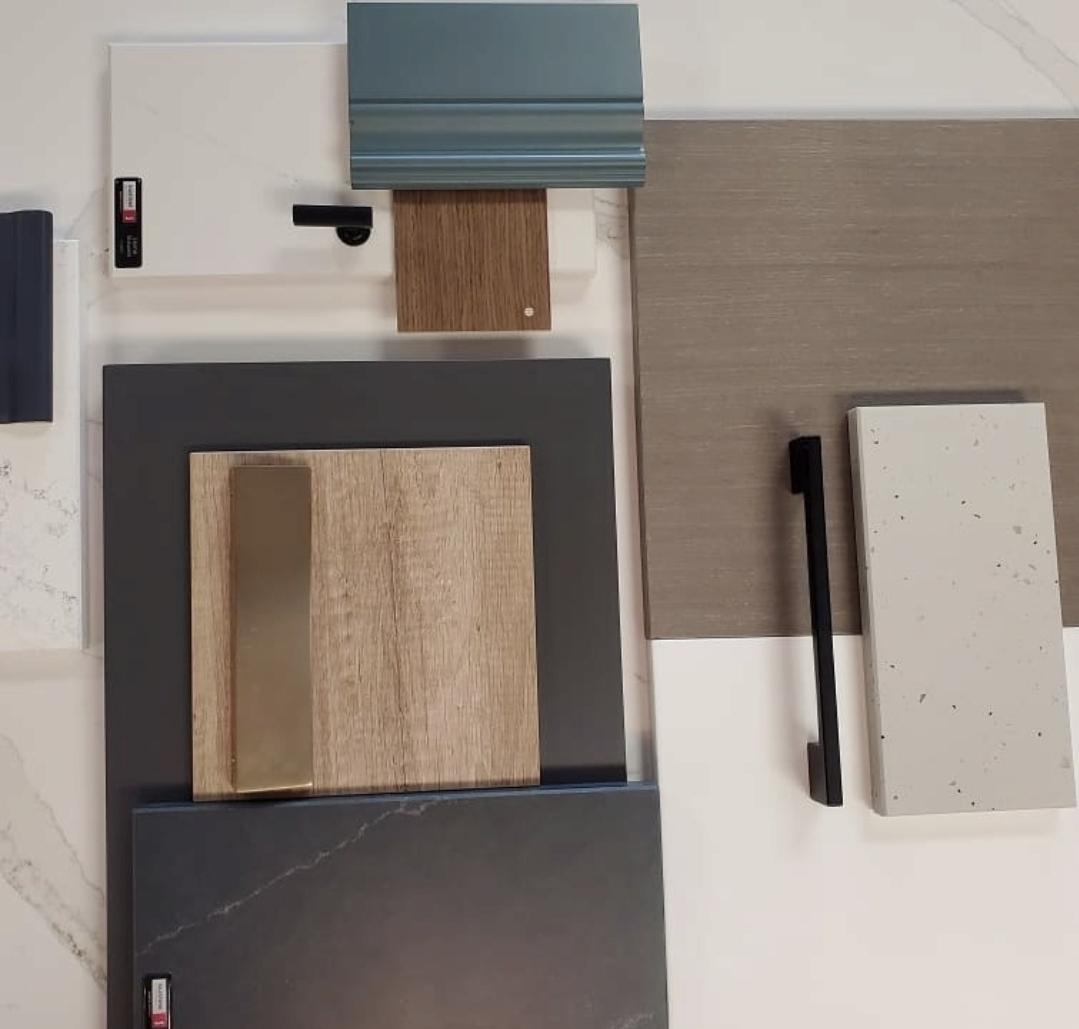
In most kitchens, the best place to begin is with the element that will carry the most visual weight. That is usually the cabinetry or the countertop.
If you already know you want a natural wood cabinet, let that lead the palette. If there is a stone slab you love and want to build around, begin there instead. What matters is choosing the feature that feels most fixed, then allowing the other selections to respond to it.
This approach creates clarity early in the design process. Instead of trying to make several bold decisions all at once, you create a focal point and build around it. That usually leads to a kitchen that feels quieter, more intentional, and easier to refine.
In a project with a restrained and natural look, this matters even more. When one material leads clearly, the rest of the room has a stronger sense of order. The kitchen does not need every finish to compete for attention. It needs one strong story, then supporting materials that help complete it.
In most kitchens, the best place to begin is with the element that will carry the most visual weight. That is usually the cabinetry or the countertop.
If you already know you want a natural wood cabinet, let that lead the palette. If there is a stone slab you love and want to build around, begin there instead. What matters is choosing the feature that feels most fixed, then allowing the other selections to respond to it.
This approach creates clarity early in the design process. Instead of trying to make several bold decisions all at once, you create a focal point and build around it. That usually leads to a kitchen that feels quieter, more intentional, and easier to refine.
In a project with a restrained and natural look, this matters even more. When one material leads clearly, the rest of the room has a stronger sense of order. The kitchen does not need every finish to compete for attention. It needs one strong story, then supporting materials that help complete it.
Think in Undertones, Not Just Surface Color
Think in Undertones, Not Just Surface Color
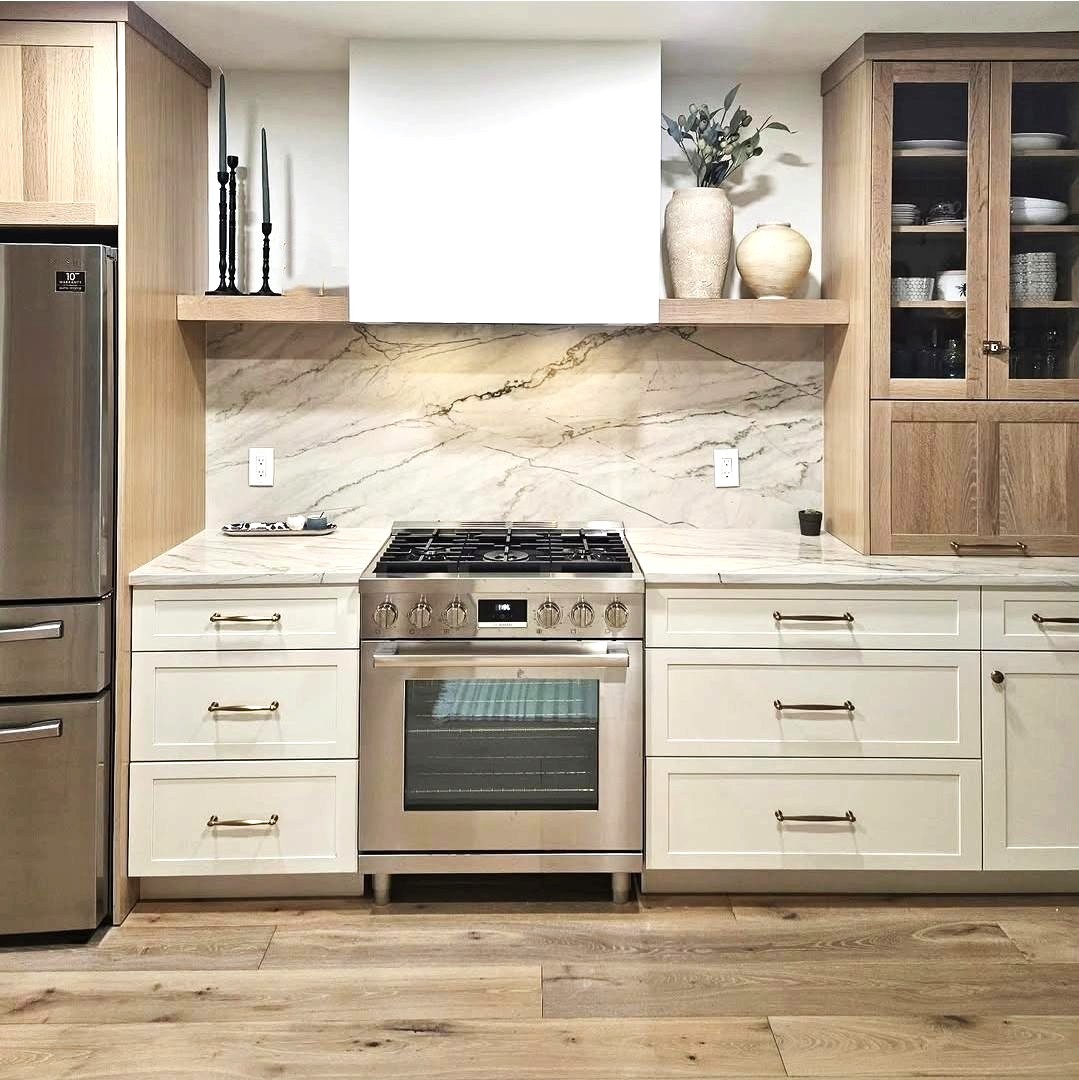
This is where many kitchens start to lose cohesion.
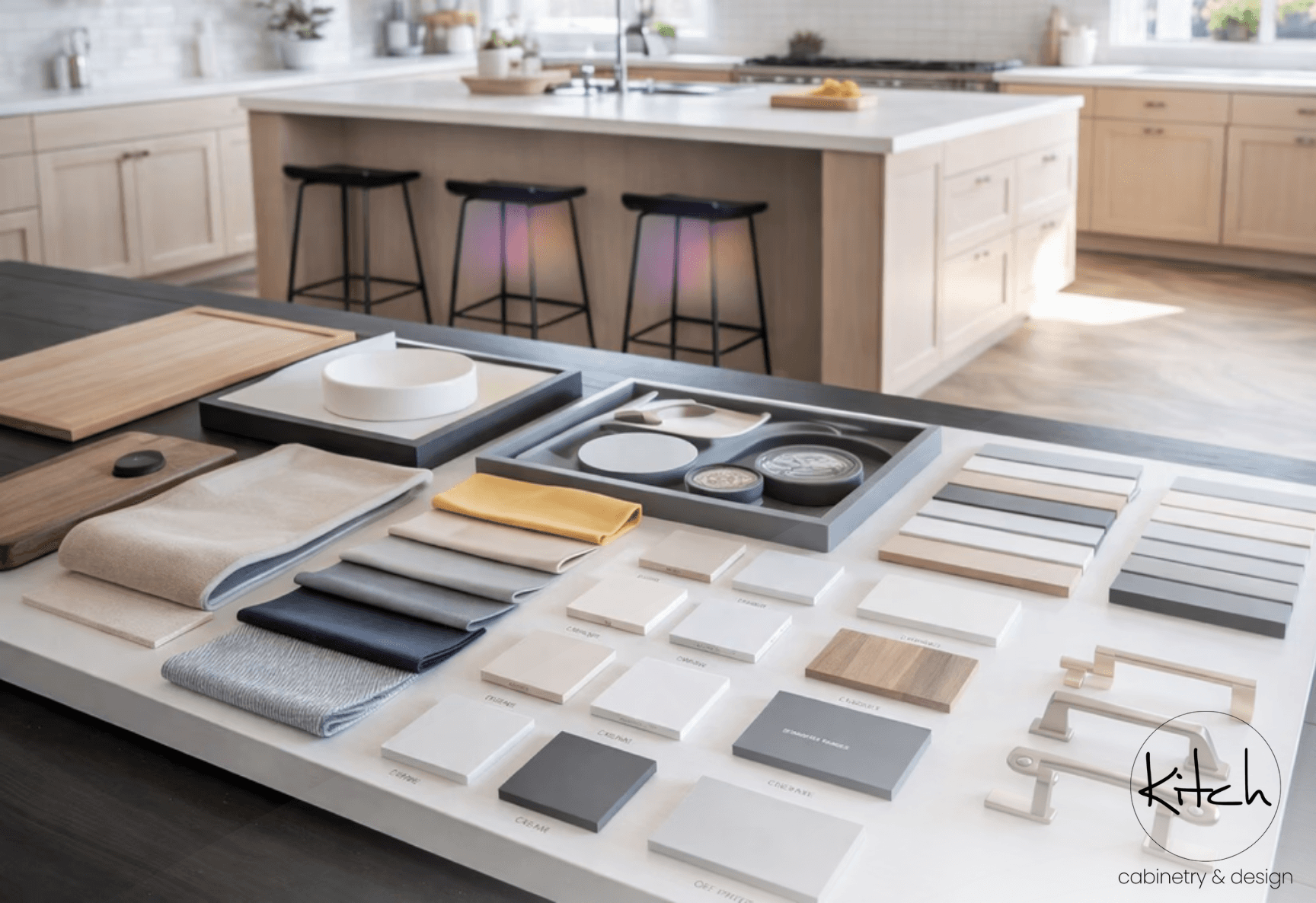
A cabinet may look white, but that does not mean it is neutral. It may lean warm, creamy, or soft gray. A countertop may appear light from a distance, but still carry cooler or warmer undertones once placed next to cabinetry. The same is true for hardware. Even metal finishes that seem simple can shift the tone of the entire room.
When undertones work together, a kitchen feels effortless. When they fight each other, the room can feel unsettled even when every individual choice looked beautiful on its own.
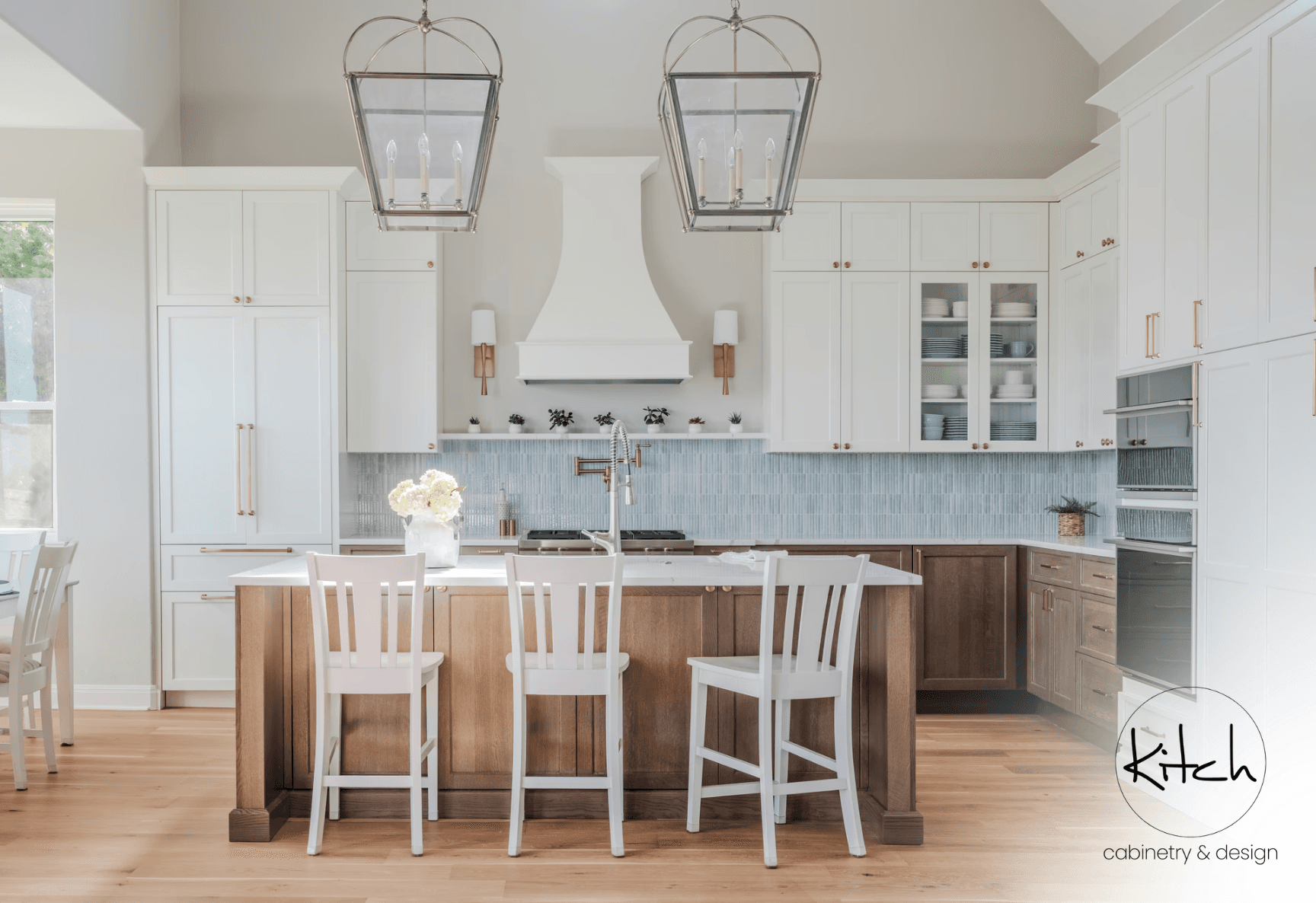
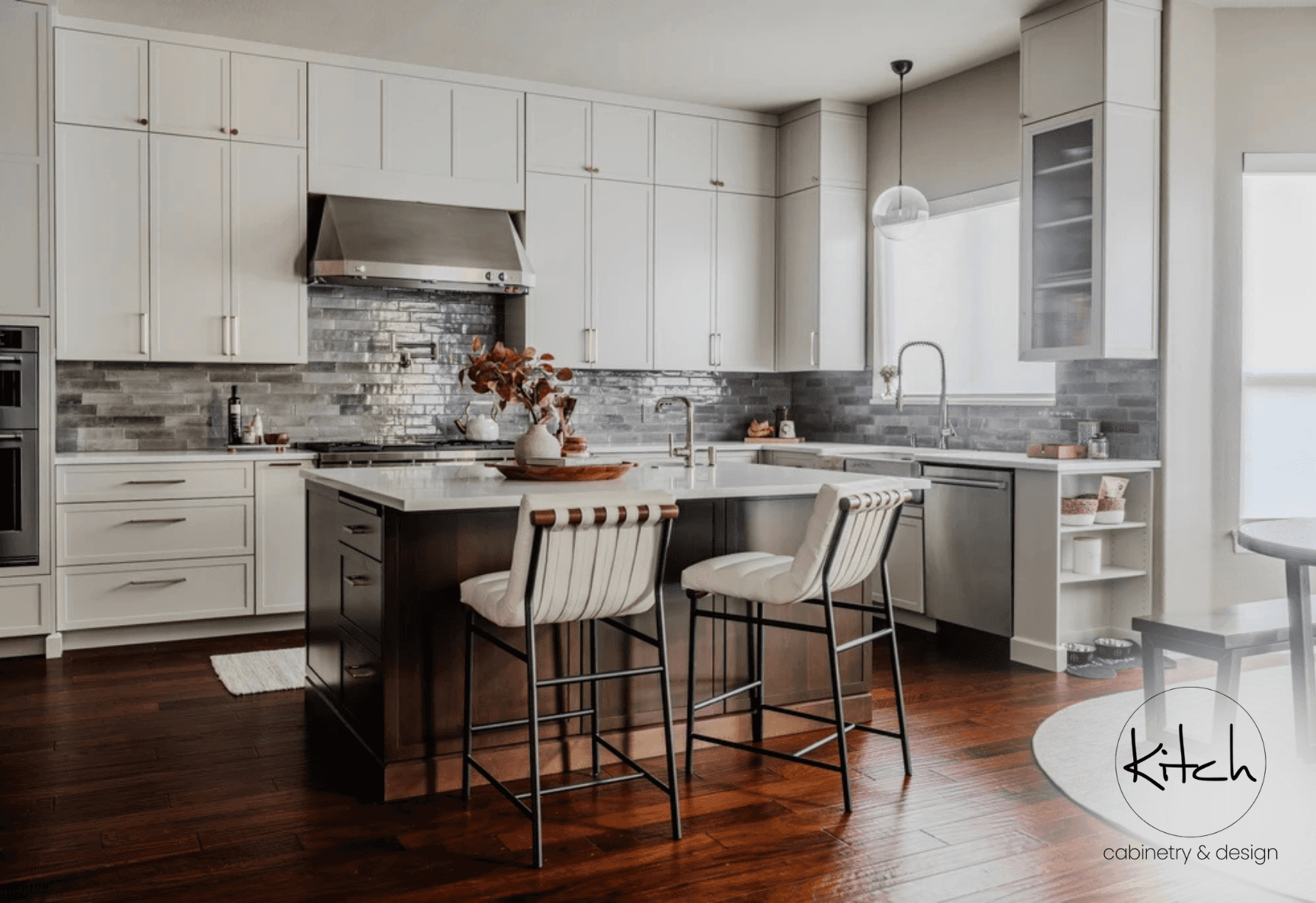
A softer cabinet finish often works best with stone that carries a little warmth and movement. A cooler painted cabinet usually pairs better with cleaner whites, subtle grays, or a more restrained surface pattern. Hardware should then reinforce that same direction rather than interrupt it.
This is often the difference between a kitchen that feels expensive and one that just feels busy. Most of the time, what people read as harmony is not driven by bold color at all. It is driven by undertones that quietly support one another.
This is where many kitchens start to lose cohesion.
A cabinet may look white, but that does not mean it is neutral. It may lean warm, creamy, or soft gray. A countertop may appear light from a distance, but still carry cooler or warmer undertones once placed next to cabinetry. The same is true for hardware. Even metal finishes that seem simple can shift the tone of the entire room.
When undertones work together, a kitchen feels effortless. When they fight each other, the room can feel unsettled even when every individual choice looked beautiful on its own.
A softer cabinet finish often works best with stone that carries a little warmth and movement. A cooler painted cabinet usually pairs better with cleaner whites, subtle grays, or a more restrained surface pattern. Hardware should then reinforce that same direction rather than interrupt it.
This is often the difference between a kitchen that feels expensive and one that just feels busy. Most of the time, what people read as harmony is not driven by bold color at all. It is driven by undertones that quietly support one another.
Use Hardware as the Finishing Note and Keep the Palette Edited
Use Hardware as the Finishing Note and Keep the Palette Edited
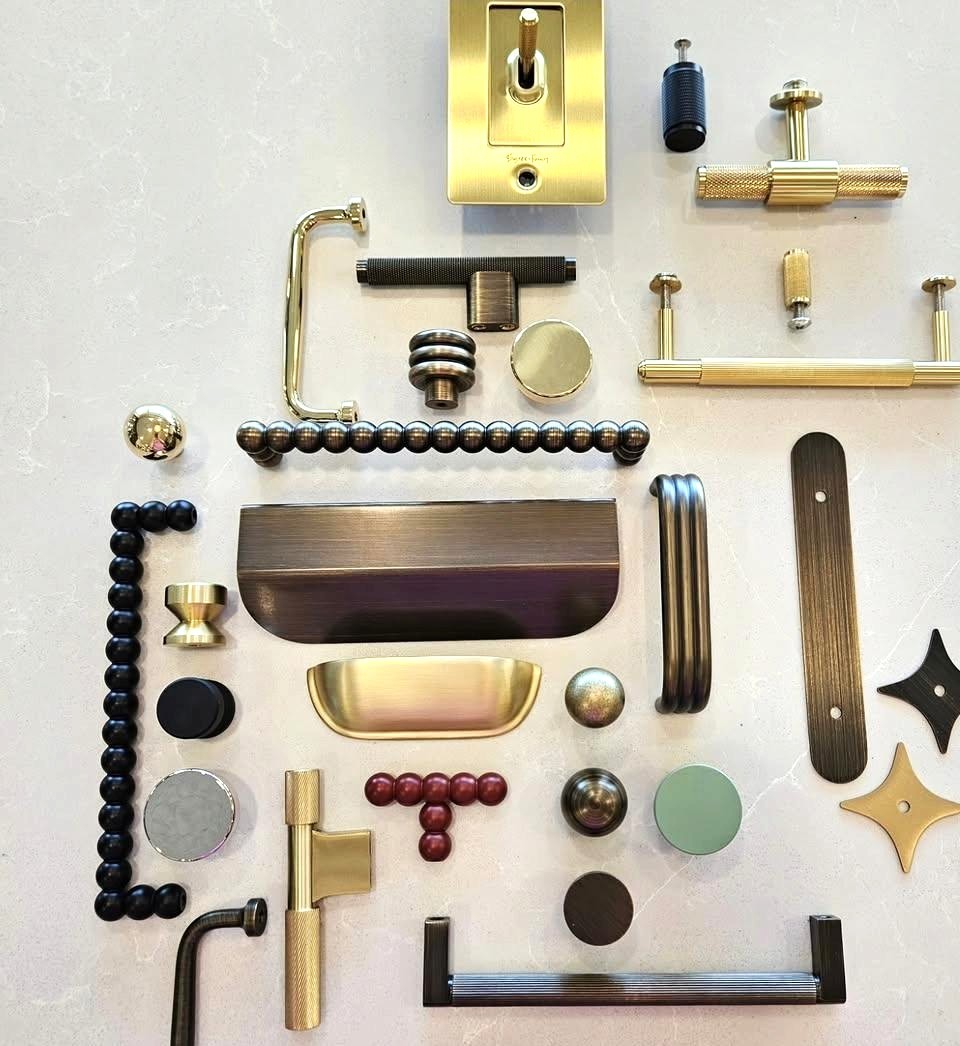
Hardware should usually come later in the process, not first.
It may be one of the smallest elements in the kitchen, but it is also one of the sharpest visually. That means it has the power to either quietly complete the room or distract from it. Once the cabinetry and countertop are set, hardware becomes easier to choose well because you can see what the kitchen already needs.
If the room already has movement in the stone or a more expressive cabinet finish, calmer hardware often works best. If the palette is very minimal and tonal, hardware can be where you introduce a little definition. The key is not to let it feel random. It should feel like a finishing note.
The same principle applies to the palette as a whole. A kitchen does not need too many competing statements to feel designed. In most cases, one cabinet story, one countertop story, and one hardware finish is enough. Once too many finishes are introduced, the room can start to feel busy very quickly.
This is why edited kitchens often feel more elevated. They let proportion, material quality, texture, and restraint do the work. The result is a space that feels clear, refined, and easier to enjoy every day.
Hardware should usually come later in the process, not first.
It may be one of the smallest elements in the kitchen, but it is also one of the sharpest visually. That means it has the power to either quietly complete the room or distract from it. Once the cabinetry and countertop are set, hardware becomes easier to choose well because you can see what the kitchen already needs.
If the room already has movement in the stone or a more expressive cabinet finish, calmer hardware often works best. If the palette is very minimal and tonal, hardware can be where you introduce a little definition. The key is not to let it feel random. It should feel like a finishing note.
The same principle applies to the palette as a whole. A kitchen does not need too many competing statements to feel designed. In most cases, one cabinet story, one countertop story, and one hardware finish is enough. Once too many finishes are introduced, the room can start to feel busy very quickly.
This is why edited kitchens often feel more elevated. They let proportion, material quality, texture, and restraint do the work. The result is a space that feels clear, refined, and easier to enjoy every day.
Create a Kitchen That Feels Cohesive From the Start
Create a Kitchen That Feels Cohesive From the Start
The best kitchen palettes do not feel forced. They feel like each choice understood the others.
When cabinets, countertops, and hardware are selected as a group, the kitchen feels more settled, more timeless, and far easier to live with. If you are planning a kitchen remodel and want help bringing every finish together with clarity, Kitch can help you create a space that feels refined from the first decision to the final detail.
The best kitchen palettes do not feel forced. They feel like each choice understood the others.
When cabinets, countertops, and hardware are selected as a group, the kitchen feels more settled, more timeless, and far easier to live with. If you are planning a kitchen remodel and want help bringing every finish together with clarity, Kitch can help you create a space that feels refined from the first decision to the final detail.

Kitch is a husband and wife team who have worked together for 23 years. They thrive on pairing with interior designers, local builders and the general public to create exciting and inspiring spaces. With an intimate but amazing showroom, it is perfect for a personable design experience.
Kitch is a husband and wife team who have worked together for 23 years. They thrive on pairing with interior designers, local builders and the general public to create exciting and inspiring spaces. With an intimate but amazing showroom, it is perfect for a personable design experience.
Recent posts
Latest Project
Step Into Our Showroom
Step Into Our Showroom
Step Into Our Showroom
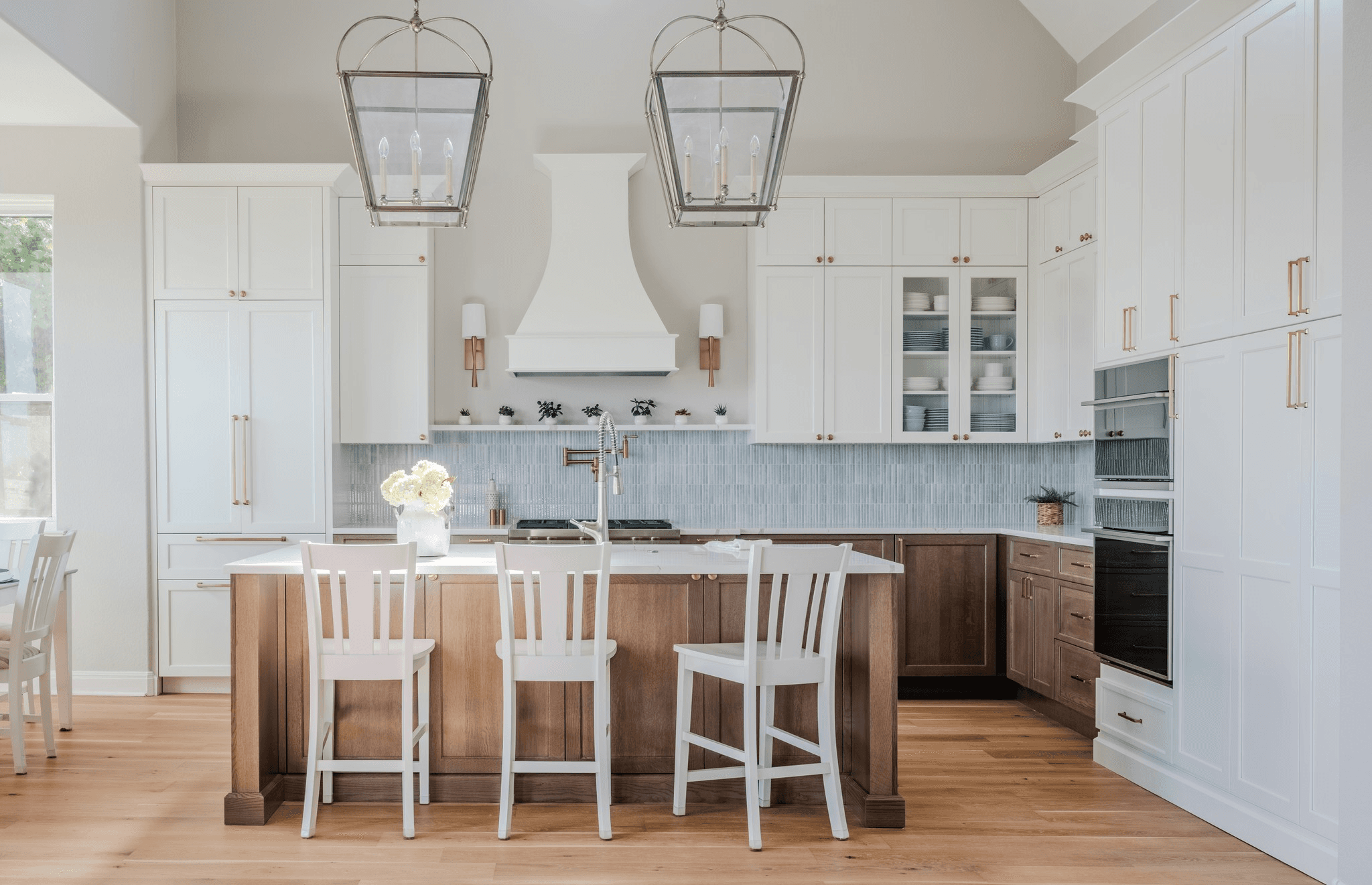
At Kitch Cabinetry, our showroom is a hands-on space to explore styles, materials, and finishes—showcasing the quality and care behind every project.
At Kitch Cabinetry, our showroom is a hands-on space to explore styles, materials, and finishes—showcasing the quality and care behind every project.


Stay Updated with Our Latest Insights
Stay Updated with Our Latest Insights
Stay Updated with Our Latest Insights

Oct 14, 2026
Thanksgiving brings everyone into the kitchen. From spacious islands to custom cabinetry, thoughtful design makes hosting easier and gatherings more memorable. Explore kitchen ideas that Austin homeowners can enjoy during the holidays and beyond.

Sep 25, 2026
The most expensive kitchen remodeling mistakes are often the ones you do not notice until the kitchen is finished. Poor outlet placement, tight walkways, awkward appliance clearances, and the wrong storage can turn a beautiful kitchen into a daily frustration. Here are seven planning mistakes worth catching before they become costly to fix.

Aug 6, 2026
Open shelves can make a kitchen feel lighter, but living with them is not always as effortless as the finished photos suggest. Traditional upper cabinets solve the storage problem, yet a long wall of solid doors can sometimes make a kitchen feel heavier than it needs to.

Jul 20, 2026
These built-in ideas show how thoughtful cabinetry can turn overlooked corners into spaces that feel organized, personal, and connected to everyday life.